The elevator is undergoing its most significant transformation in decades. Once a mechanised necessity for travelling between floors, vertical mobility is now a strategic building system. They’re digitally connected, energy efficient, space-efficient, and central to how modern properties operate.
In 2026, we’re no longer judging the ‘elevator of the future’ solely on speed or capacity. It is evaluated on performance data, sustainability credentials, accessibility compliance, design integration, and reliability over long periods. For developers, architects, facilities managers, and property owners, understanding these shifts is essential to making future-proof investment decisions.
Understanding the Future of Elevators and Vertical Mobility
The future of elevators mirrors broader changes across the built environment. Buildings are becoming taller, denser, and more mixed-use. Regulations are more demanding, and occupants now expect an intuitive experience.
As a result, vertical mobility has become a core building service that must be:
- Automated and intelligent, using data to improve performance
- Integrated with wider building systems, from access control to energy management
- Energy-efficient, supporting sustainability and compliance targets
- Inclusive by design, meeting accessibility needs without compromise
The elevator industry is defined by lifts that function as part of a unified digital infrastructure, not standalone transport systems.
The future of elevators mirrors broader changes across the built environment. Buildings are becoming taller, denser, and more mixed-use. Regulations are more demanding, and occupants now expect an intuitive experience.
As a result, vertical mobility has become a core building service that must be:
- Automated and intelligent, using data to improve performance
- Integrated with wider building systems, from access control to energy management
- Energy-efficient, supporting sustainability and compliance targets
- Inclusive by design, meeting accessibility needs without compromise
The elevator industry is defined by lifts that function as part of a unified digital infrastructure, not standalone transport systems.
Key Technologies Powering the Elevator of the Future
AI-Driven Systems and Predictive Maintenance
Artificial intelligence is now fundamental to modern lift performance. Elevators are equipped with sensors monitoring load, vibration, temperature, door cycles, and power quality.
AI systems analyse this data continuously to:
- Detect early signs of component wear
- Predict faults before failures occur
- Schedule maintenance proactively
- Reduce downtime by more than 30% in smart building deployments
This shift from reactive to predictive maintenance improves reliability, lowers lifecycle costs, and supports consistent building performance, particularly when supported by professional lift servicing and aftercare options.
Smart Connectivity, IoT and Building Integration
IoT connectivity has repositioned elevators as part of the building’s digital backbone. In smart environments, lifts exchange real-time data with access control, lighting, HVAC, and security systems.
Key outcomes include:
- Optimised traffic flow during peak periods
- Reduced energy consumption across the building
- Centralised dashboards for facilities teams
- A fully unified view of vertical mobility performance
Vertical movement is now a managed service, not a passive utility.
Voice Control and Touchless Elevator Interfaces
Touchless operation is now a standard across new lift installations. Voice commands, smartphone integration, NFC, QR, and app-based controls improve hygiene, accessibility, and user convenience.
These automated interfaces are particularly valuable in commercial buildings, healthcare environments, and residential developments where ease of use and inclusivity are priorities.
Energy Efficiency and Sustainability in the Future of the Elevator Industry
Regenerative Drives and Low-Energy Lift Systems
Sustainability is a defining factor in the future of the elevator industry. Energy-efficient motors and regenerative drive technology now allow elevators to recover braking energy and feed it back into the building’s power system.
Combined with:
- LED lighting and standby modes
- Optimised traffic algorithms
- High-efficiency motorised systems
Modern lifts play a considerable role in meeting LEED and BREEAM targets while reducing operational costs.
Eco-Friendly Materials and Reduced Carbon Footprint
Sustainable lift design is about more than reducing energy consumption. Manufacturers are increasingly focusing on:
- Durable, low-carbon materials
- Long-life components designed to be upgraded rather than replaced
- Finishes that maintain their appearance and performance over time
This approach protects long-term value while reducing environmental impact across the entire lift lifecycle.
Accessibility and Inclusive Design: The Future of Elevators for All Users
Universal Design and Age-Friendly Vertical Mobility
Accessibility is a fundamental requirement of modern building design. The answer to “what is the future of elevators?” is inseparable from inclusivity.
Future-ready lift systems focus on:
- Level access and smooth travel
- Clear visual and audible feedback
- Intuitive control layouts
- Calm, homely interiors that reduce user stress
Universal design ensures compliance today while anticipating the needs of tomorrow.
Platform Lifts as a Future-Ready Accessibility Solution
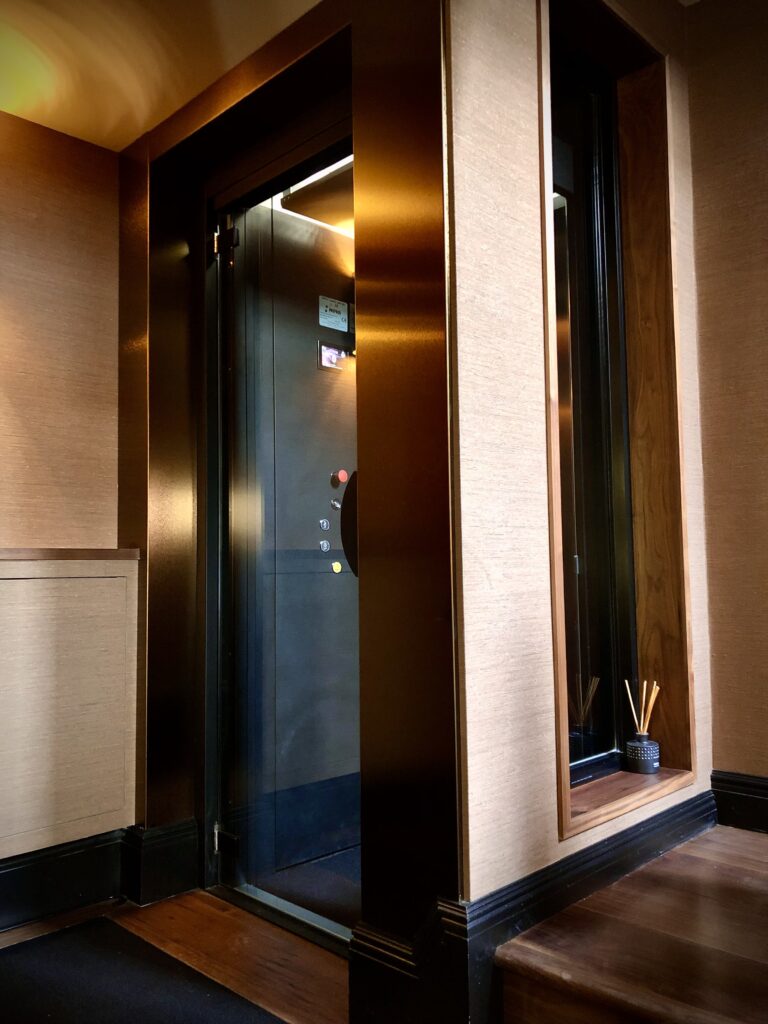
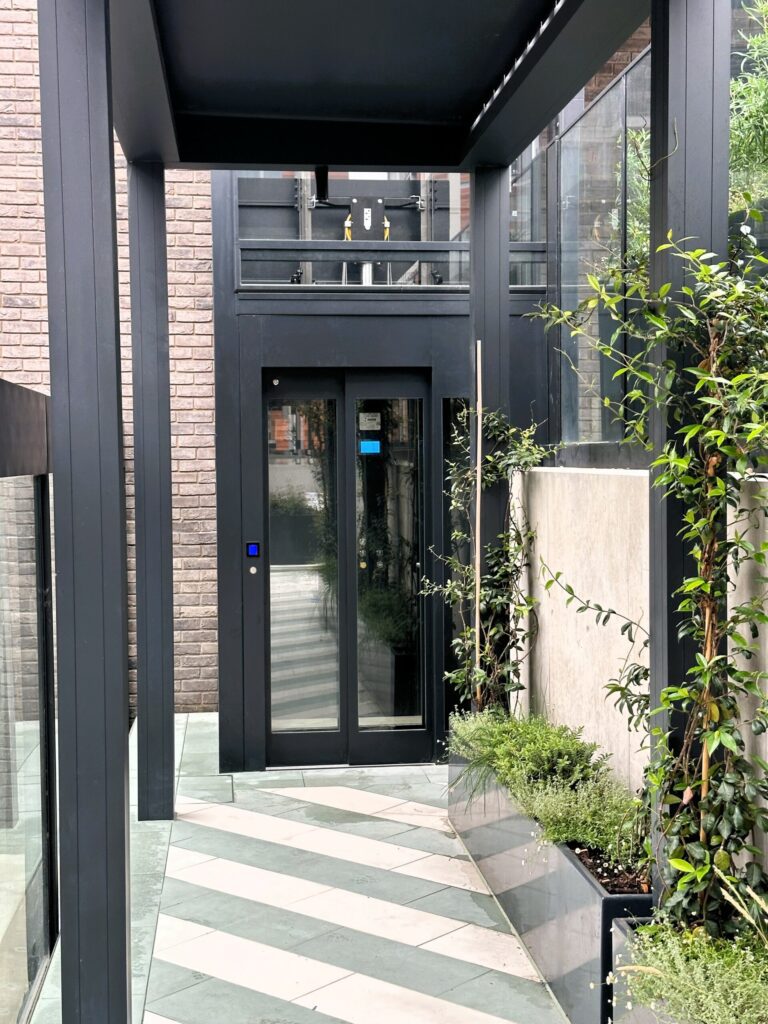
Platform lifts are increasingly specified where space, structure, or heritage constraints limit conventional lift installation.
They provide:
- The best configuration of space in restricted environments
- Flexible installation for new builds and retrofitted properties
- Customisable interiors with opulent or understated finishes
Through bespoke lift design, platform lifts deliver accessibility without losing the architectural intent.
How Smart Cities and Modern Architecture Are Shaping the Future of Elevators
Urban density and smart city initiatives are accelerating lift advancement. High-rise, mixed-use developments demand:
- Advanced traffic management systems
- Space-efficient lift cores
- Configurable access zoning
- Software-defined control that adapts without major structural change
In these environments, elevators are treated as both infrastructure and design elements, integrated into the architectural language of the building while delivering high-performance vertical transport.
Challenges Facing the Future of Elevator Technology
Integrating New Technology into Existing Buildings
A major challenge is upgrading older buildings with modern systems. Many upgrades (IoT monitoring, smart dispatching, touchless controls) must be installed within shafts and machinery never designed for digital integration.
Successful projects require:
- Careful planning and phased installation
- Compatibility management between legacy and modern systems
- Minimal disruption during retrofitting
Specialist expertise is critical to ensure lifts are safely and effectively retrofitted.
Safety, Regulation, and Compliance
As elevators become more software-driven, regulatory frameworks must adapt. Many standards were written for purely mechanised systems, and approvals can lag behind advancement.
Modernisation projects often involve:
- Extensive compliance documentation
- Updated accessibility requirements
- Multiple inspections and approvals
This reinforces the value of experienced lift specialists.
Preparing Buildings for the Elevator of the Future
Future-proofing vertical mobility requires a long-term view. Decision-makers should prioritise:
- Scalable systems that support future upgrades
- Smart monitoring from installation
- Robust maintenance strategies
- Design flexibility to accommodate evolving technology
The right lift solution protects asset value while supporting performance, compliance, and user experience.
Why Alliance Platform Lifts Is Ready for the Future of Vertical Mobility
Alliance Platform Lifts is a trusted UK specialist in the supply and installation of high-quality vertical access solutions for commercial and residential environments.
Alliance delivers:
- Bespoke platform, cabin, and goods lifts
- Space-efficient systems tailored to real-world constraints
- Premium finishes that enhance interiors
- Installations completed with a clear focus on safety, reliability, and compliance
Through a collaborative, professional approach, Alliance works closely with architects, developers, contractors, and homeowners to ensure every lift integrates perfectly into its environment, both technically and aesthetically.
From initial consultation and design through to installation and long-term aftercare, Alliance Platform Lifts provides dependable, future-ready solutions that reflect the evolving demands of modern buildings.