Bespoke Commercial Goods Lifts
Heavy-duty goods lifts for commercial, industrial and public buildings
Goods lifts built for everyday use
Heavy-duty platforms, robust gates and roller shutters and simple controls, each goods lift specified around what you move and how often.
Case studies
Goods lifts in action
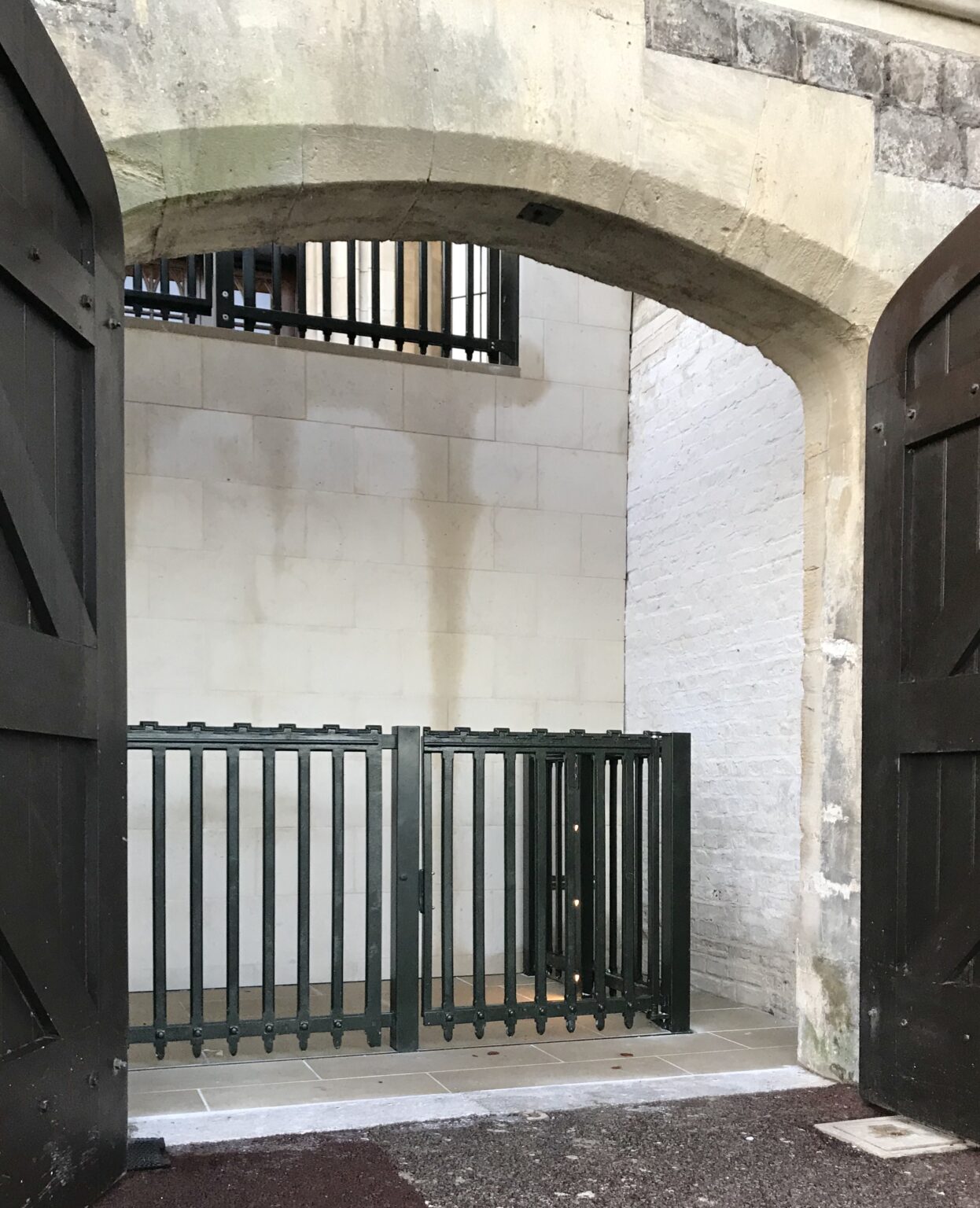
A discreet lift that carries goods and gives the public step-free access down to the gallery.
We have used Alliance Platform Lifts on various projects over the last 3-4 years and we find them to be professional, punctual and very forward thinking. No problem is too great and the communication at both tender and post installation stage is second to none. We will continue to use APL’s services on any future platform or cabin lift projects we have.Daniel Griffin · Google review
I am so pleased with the service from everyone at alliance platform lifts, they have been so professional and helpful throughout the whole process, would highly recommend!Max Ball · Google review
outstanding service, very pleased with the product and the process from quoting to after sales care. Highly recommended!Kenton Mitchell · Google review
Polite, quick, good service. Quick installation. Helpful staff.Jerry Peters · Google review
Outstanding service from Alliance would 100% recommendAG Detail · Google review
10/10 experience. Highly recommend!Josh · Google review
Goods lifts designed for your operation
The right goods lift depends on what you move, how often and where. We specify every lift around load capacity, platform size, travel height, frequency of use and the space available.
Specified for the job
Choosing the wrong goods lift leads to downtime, extra maintenance and compliance issues, so we get the specification right at the start. From dumbwaiters and service lifts to bin, trolley, bike and warehouse mezzanine lifts, each system is matched to the way your building works.
- Capacity to suit your loads
- Pallet, trolley and cage loading
- Mezzanine and multi-floor travel
- Internal or external
Built for heavy daily use
Goods lifts work hard, so we build them to take it: heavy-duty platforms, robust gates, doors and roller shutters, and simple controls your team can use without training. Self-supporting structures mean no builder’s shaft is needed.
- Chequer-plate or anti-slip floors
- Gates, doors or roller shutters
- Simple push-button controls
- Self-supporting structures
Safe for your team
Every goods lift is designed to meet the relevant safety standards, with interlocked gates and doors, safety edges and emergency stops. We supply bin lifts, mezzanine goods lifts, cycle lifts, trolley and service lifts and attended goods lifts for hotels, restaurants, warehouses and hospitals.
- Interlocked gates and doors
- Safety edges and emergency stops
- Load-rated platforms
- Servicing and maintenance plans
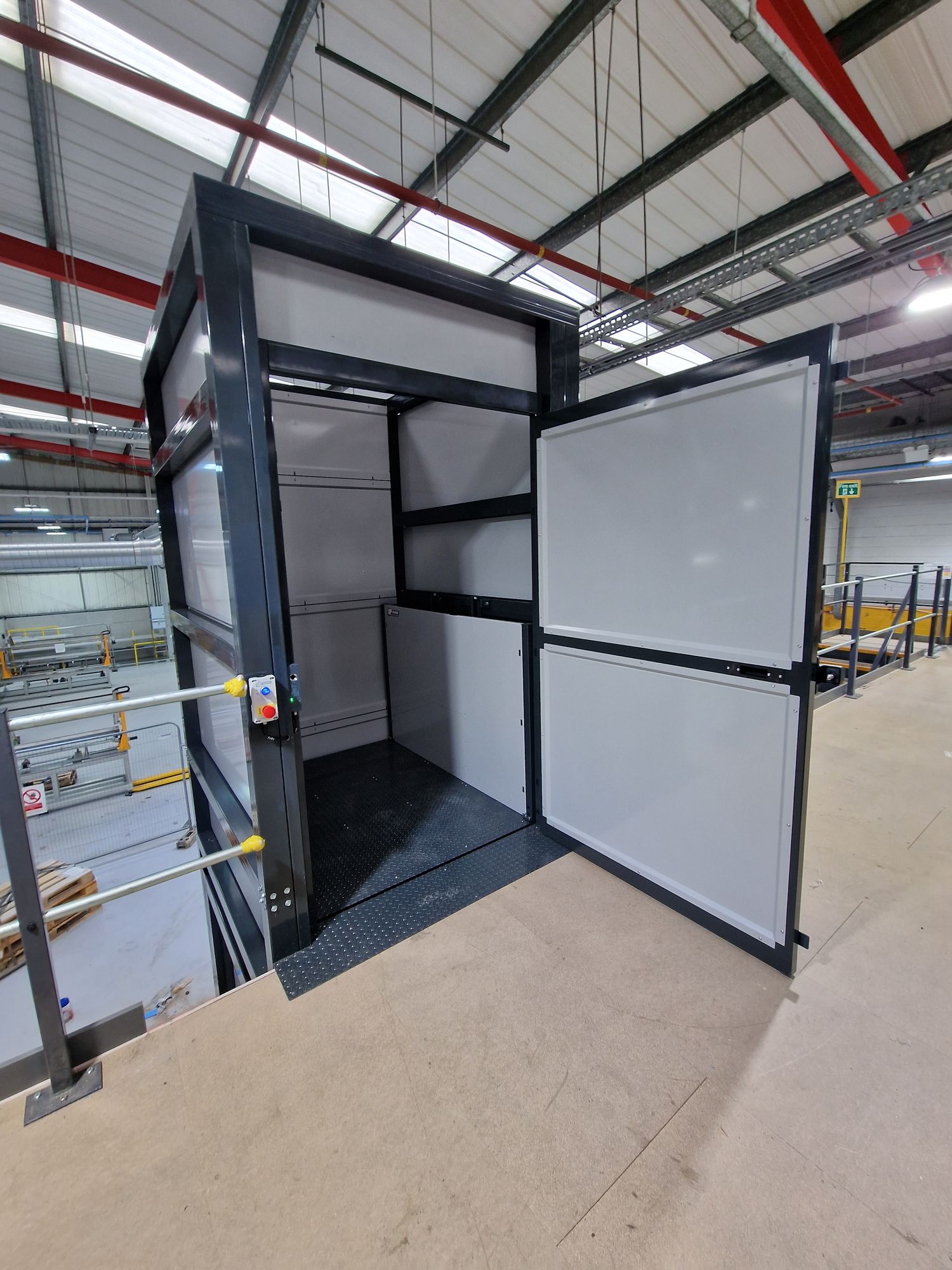 Warehouse mezzanine goods lift.
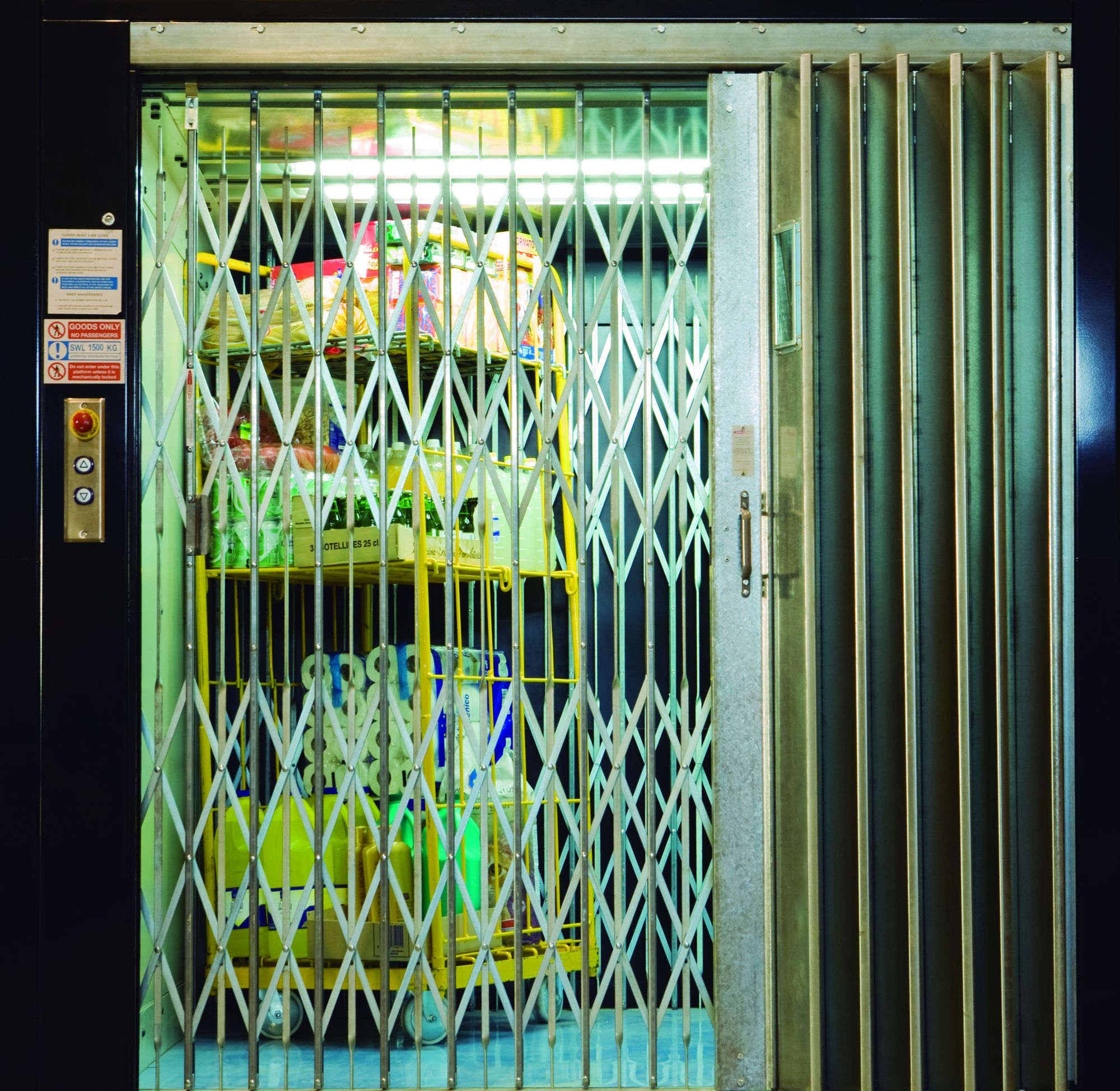 Folding shutter gate.
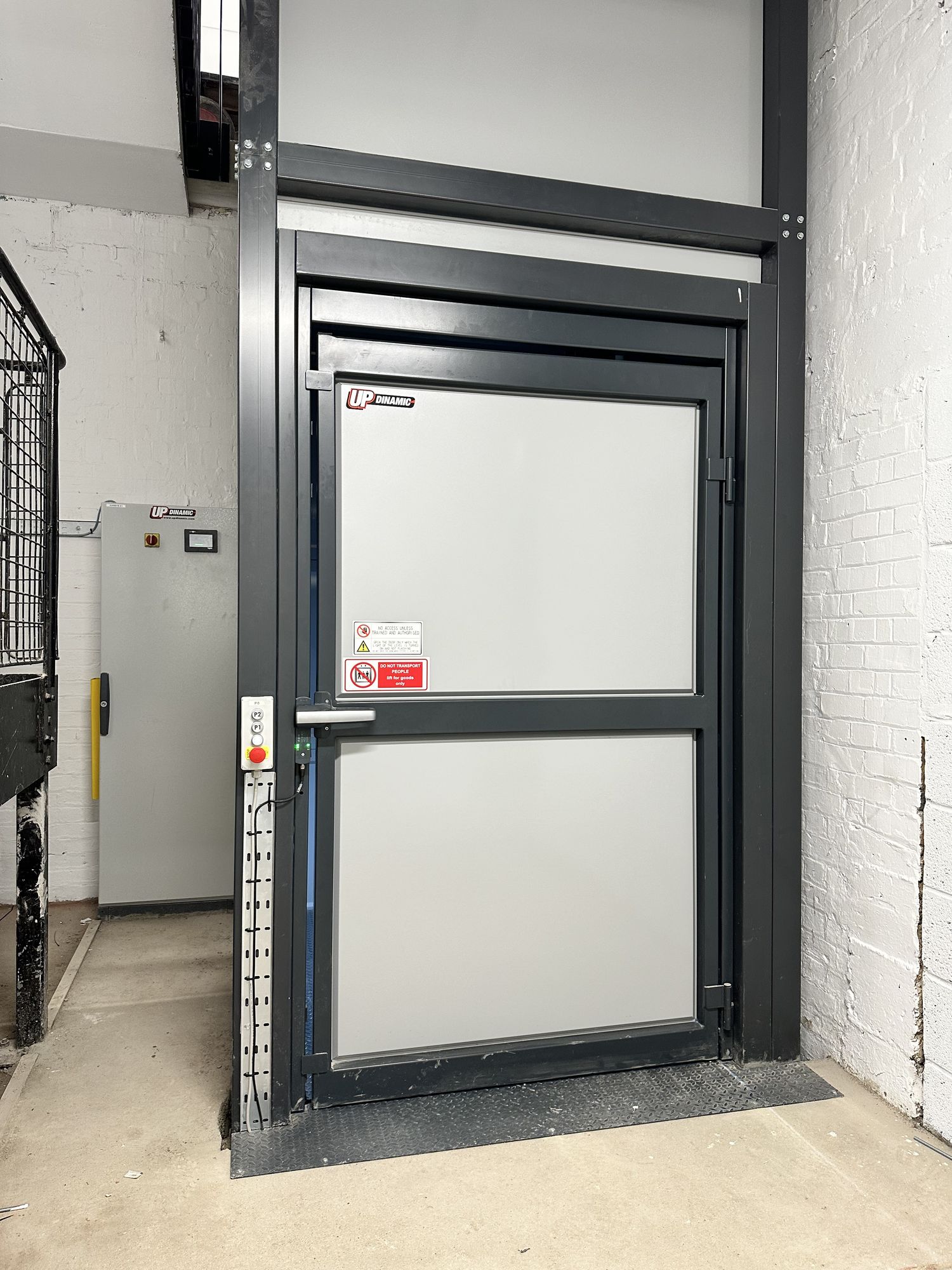 Interlocked landing door.
The regulations that apply to a goods lift depend on your building, how it is used and the model you choose. Depending on your project, requirements can include the Machinery Directive 2006/42/EC, the Supply of Machinery (Safety) Regulations 2008, BS EN 81-31 for goods-only lifts, and LOLER 1998 and PUWER 1998 once the lift is in use.
If you need help with the regulations for your project, ask one of our experts. We will explain what applies and recommend a goods lift to suit.
ISO 9001, 14001 and 45001 accredited, SafeContractor approved, LEIA members and Constructionline Gold.


How it happens
Support every step of the way
From the first site survey to long-term servicing, one team looks after your goods lift at every stage.
Design & Planning
A specialist site survey, then design and specification matched to your building and how it will be used.
Installation
Our projects team checks every detail of the preparatory works, whether by your builders or ours, so installation runs smoothly.
Maintenance
Service and maintenance plans keep your lift running safely and reliably, backed by a 24/7 emergency call-out service.
Goods lift questions
Answers to the questions we are asked most often. Can’t find what you need? Call 01206 803 132.
What Is the Maximum Weight a Goods Lift Can Carry?
The weight capacity of goods lifts varies widely based on the type of lift. Heavy-duty industrial goods lifts can carry weights exceeding 10,000kg, catering to warehouses and factories. To ensure safe and efficient operation, it’s important to choose a lift that matches your specific requirements, including the type of goods and frequency of use – our team of experts are on hand to guide you in the right direction.
Do Goods Lifts Require Planning Permission?
Planning permission is generally not required for internal goods lifts, especially when they are installed within an existing building. However, external goods lifts or installations involving significant structural modifications, such as creating a new lift shaft, may require approval from your local planning authority. If you’re unsure about the regulations for your project, our team can guide you through the process to ensure compliance with all requirements.
Are Goods Lifts Energy Efficient?
Goods lifts can be energy efficient, but their performance depends on several factors. Larger lifts naturally consume more energy than smaller ones, and older models are typically less efficient compared to newer lifts equipped with energy-saving technology. Frequency of use, load weight, and the number of stops also impact energy consumption. Traction and gearless lifts are often more energy-efficient than hydraulic systems, and using LED lighting within the lift can further reduce energy usage. To improve efficiency, it’s important to look for energy certification labels.
How Often Should a Goods Lift Be Serviced?
Under UK regulations, goods lifts must be serviced at least once every 6 months under LOLER (Lifting Operations and Lifting Equipment Regulations). However, the frequency of servicing may vary depending on factors such as whether the lift is goods only or goods attended, how often the lift is used, the number of floors it serves, and its design. Regular maintenance ensures the lift operates safely and reliably, preventing potential downtime and extending the equipment’s lifespan. For high-use or heavy-load lifts, more frequent servicing may be advisable.
Do Goods Lifts Need Safety Inspections?
Yes, goods lifts are required to undergo regular safety inspections, typically every 6 months, to comply with UK safety standards. Inspections include visual examinations, functional tests, and measurements of component wear. A thorough examination should be conducted after significant modifications, repairs, or exceptional events such as damage or equipment failure, to ensure continued safe operation.
Can Goods Lifts Be Installed in Older Buildings?
Goods lifts can be installed in older properties, including listed buildings, with minimal disruption. Expert installers, such as Alliance Platform Lifts, specialise in designing solutions for tight or unconventional spaces like cupboards or stairwells. Careful planning ensures the lift is both functional and sensitive to the building’s existing architecture.
How Much Space Is Required for a Goods Lift?
The space required for a goods lift depends on its size, capacity, and design. Smaller lifts for lightweight goods can fit into more compact spaces, while larger, high-capacity lifts require additional room to ensure safe and efficient operation. A site assessment is recommended to determine the exact space requirements and identify the best lift solution for your property. Contact our sales team to organise a no obligation site assessment.